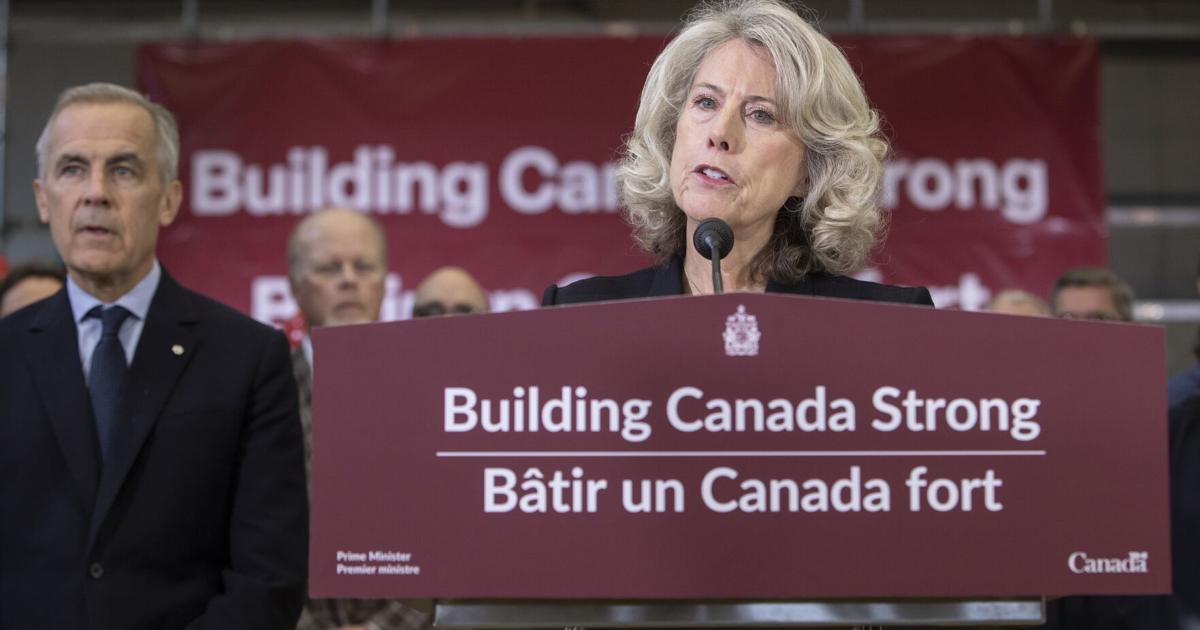
A growing debate over transparency and ethics oversight in federal governance has centered on the Major Projects Office (MPO). The agency, designed to accelerate key infrastructure and economic initiatives, relies on personnel temporarily seconded from private financial institutions, energy corporations, and construction firms. However, federal authorities have declined to publicly identify the specific companies supplying these workers or clarify the proportion of salaries covered by external private employers.
While the arrangement brings specialized industry expertise directly into government operations, critics argue that the lack of public disclosure creates significant risks of perceived or actual conflicts of interest. The office maintains that internal protocols are sufficient to prevent misconduct, but observers remain divided on whether internal checks offer enough accountability when commercial interests intersect with public policy.
Internal Review Versus External Oversight
According to official statements, all MPO personnel are required to declare potential conflicts of interest and are barred from working on files where a commercial overlap exists. Yet unlike the agency’s executive leadership, whose ethics declarations undergo review by the independent federal Ethics Commissioner, regular staff conflict reviews are handled internally within the MPO and the Privy Council Office.
This distinction in oversight mechanisms has raised questions about whether standard public service integrity measures are being consistently applied. In complex regulatory and economic environments, industry secondments—often referred to as interchange programs—are common tools used by governments to bridge skill gaps. However, without public reporting on which entities hold positions inside key decision-making offices, external scrutiny becomes nearly impossible.
Public Reaction and Broader Governance Questions
The policy has sparked sharp reactions from observers concerned about the influence of private industry in government operations. Many view the arrangement as an unnecessary departure from open governance standards, emphasizing that clarity is essential when public funds and high-stakes national projects are involved.
"If you can't do things transparently, you probably shouldn't do it," noted one public reaction, reflecting widespread frustration over government opacity.
Others pointed out that the high-stakes nature of major economic initiatives makes rigorous oversight even more vital. "In fact, the high stakes nature of this moment makes transparency vital," shared another observer, highlighting that public confidence rests on clear rules and independent checks.
Some commentary took a broader view, pointing out that reliance on external expertise across administration changes is a long-standing pattern, though one that continually tests the public’s patience. "This has been happening for decades no matter who's in charge and Canadians are too passive and comfortable," another commenter observed.
Balancing Fast-Track Development with Institutional Integrity
The tension within the Major Projects Office illustrates a classic dilemma in modern governance: balancing the speed and specialized skills needed to deliver complex infrastructure against the traditional principles of public service impartiality. While secondments allow government agencies to rapidly scale up operations with experienced professionals, they also blur the lines between corporate interests and public administration.
As major capital projects proceed, calls for clear disclosures and independent conflict monitoring are likely to persist. Whether federal officials will adjust current disclosure practices or maintain internal ethics reviews remains an open question, but the ongoing debate underscores the fine line between policy efficiency and public trust.

